Why Single-Token Models Fail
Most token economies fail because they ask a single asset to be both a growth instrument and a stable store of value. PCS decouples these functions entirely.
PCS operates a dual-layer economy: separating speculative growth from asset-backed stability. Every digital position is anchored to a physically vaulted vehicle in Vienna.
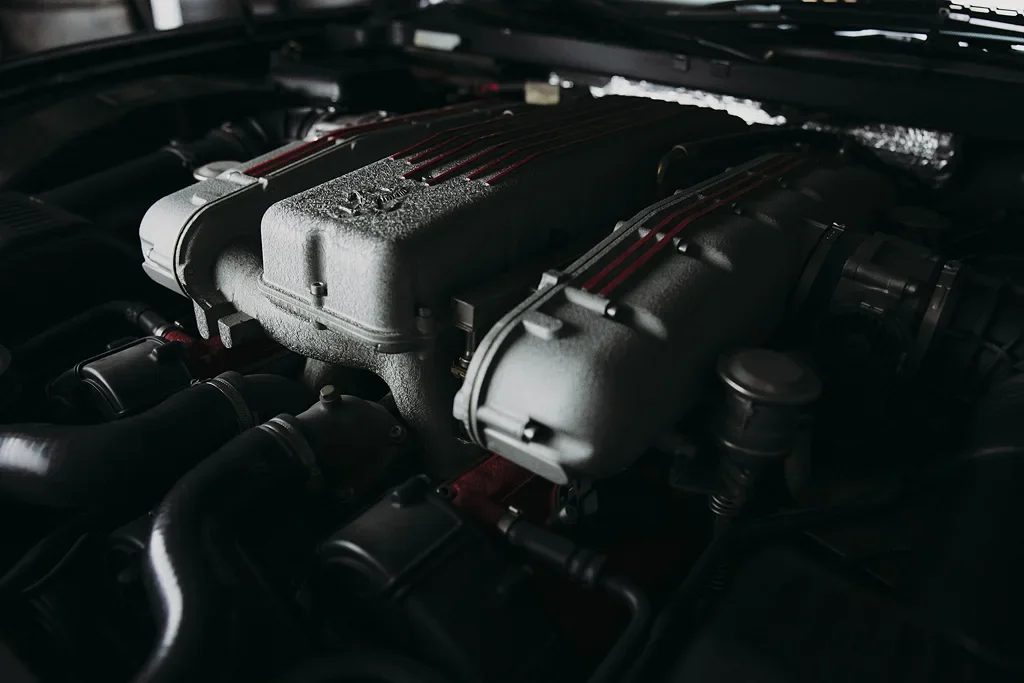
The presale raise is not operational capital. It is a purchasing mandate: deployed immediately against the world's most illiquid and appreciating asset class.
The liquid bedrock (50%).
$25M will be deployed against 5–10 investment-grade vehicles: Ferrari 250 series, historic Le Mans winners — assets with verified appreciation trajectories and zero reproduction risk.

The institutional framework (10%).
RWA smart contract development, dynamic metadata oracles, cross-chain architecture, full DWTC legal compliance under the VARA regime, and a published external audit by a Tier-1 independent auditor (announced before public listing).
The physical anchor (25%).
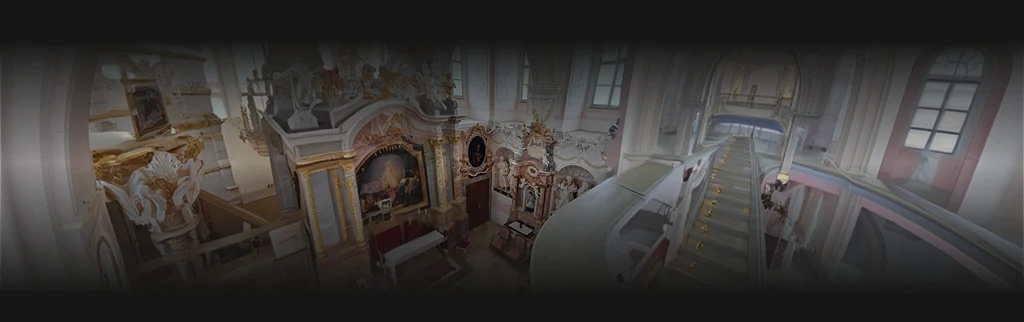
$12.5M will fund the architectural renovation of the Vienna castle grounds: the climate-controlled glass vault, the institutional museum, and the tier 3 master suites.

The prestige multiplier (15%).
$7.5M will establish PCS at Pebble Beach, the Monaco Historic Grand Prix, and the global luxury press circuit. Presence at these events is not marketing spend; it is asset appreciation.

Most token economies fail because they ask a single asset to be both a growth instrument and a stable store of value. PCS decouples these functions entirely.
The $PCS token, deployed on Ethereum mainnet, is the high-velocity capital layer. Its value is driven by club exclusivity, a hard-capped supply with no governance path to expand it, and market demand for membership access. It is designed to grow.
The fractional deed, deployed on Polygon L2, is the stability layer. Its value is pegged strictly to the independent, quarterly appraisal of the underlying physical vehicle. Crypto market corrections do not touch it.
Phase 1 — live now — runs presale and vesting on Ethereum. Phase 2 activates the Vienna estate, the Car NFT marketplace, and experiential utility. Phase 3 scales the fleet and concierge globally.
$PCS has a permanent hard cap of 100,000,000 — fixed in code. A single minter contract is the only address allowed to issue $PCS, and every allocation sits inside a fixed bucket. Supply cannot be expanded; it can only be burned by holders.
The $PCS ecosystem is a closed-loop flywheel. In Phase 2, ecosystem activity — annual estate levy, experiential spend, physical-asset profits — feeds buy-back-and-burn flows operated through the Treasury Timelock. Those mechanics activate alongside the marketplace.




All physical assets are held in the Vienna vault, insured by global heritage specialists, and verified on-chain. The table below reflects the complete technical specification of the PCS ecosystem as deployed.
Eight steps from first interest to full membership — Phase 1 to Phase 2, with the on-chain mechanic behind each.